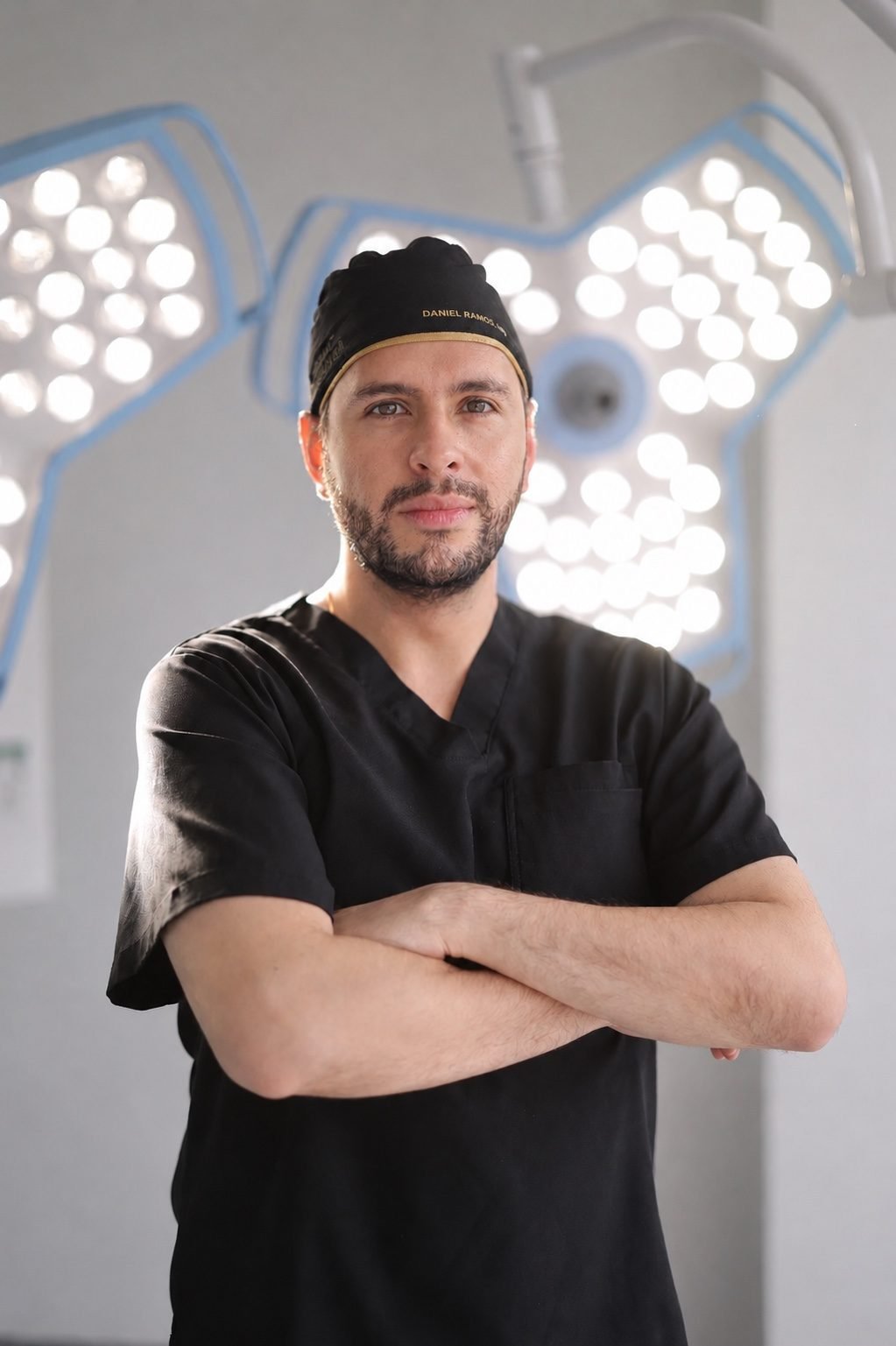
Rhinoplasty · Ultrasonic & Functional · Bogotá, Colombia
Rhinoplasty in Colombia: your nose, your face
A good rhinoplasty is not noticed — what gets noticed is that the whole face improved. Ultrasonic technique, functional correction when it's needed, and proportions planned for your features, with Dr. Daniel Ramos, SCCP board-certified plastic surgeon.
What rhinoplasty actually does — proportion, not replacement
The nose sits at the centre of the face and organizes everything around it: the eyes, the mouth, the profile. That is why a well-executed rhinoplasty is rarely perceived as "a new nose" — it is perceived as a face that suddenly works. The surgery reshapes the bony and cartilaginous structures to bring them into harmony with your features, and where there is airway obstruction it corrects the septum in the same operative time. Dr. Daniel Ramos plans every case from a complete facial analysis rather than from a catalogue nose, and his principle is to preserve and reposition structure before removing it — which is what separates a natural result from one that announces the surgery from across a room.
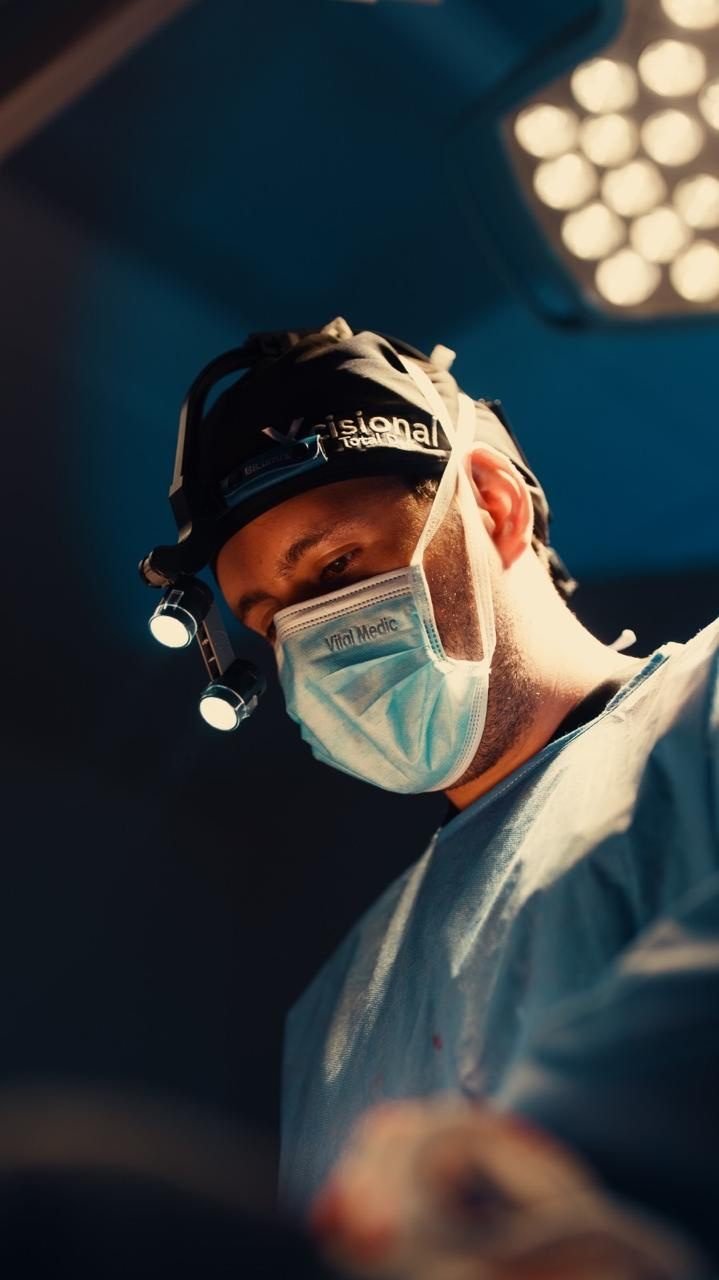
Ultrasonic or conventional rhinoplasty
Both reshape the nasal bone. The difference is how — and how much of what surrounds it gets affected.
- The bone is reshaped with a chisel and mallet.
- Much of the maneuver happens without direct vision.
- Force is transmitted to the surrounding soft tissue.
- Periorbital bruising in the first days is more common.
- A piezoelectric instrument cuts and sculpts the bone.
- It acts on bone while sparing the soft tissue around it.
- The dorsum is shaped under direct vision, millimetre by millimetre.
- Usually means less bruising and swelling in the early weeks.
The technique is not a sales argument — not every case needs it. Dr. Ramos selects the approach from your anatomy, and will explain why yours calls for one or the other.
Approaches Dr. Ramos performs
Closed rhinoplasty
Every incision sits inside the nose. Indicated when the required changes do not demand wide exposure of the tip.
Open rhinoplasty
Adds a minimal columellar incision to work under direct vision. The usual route for complex tips and revision cases.
Functional septorhinoplasty
Corrects the deviated septum and nasal valves in the same operative time, so the nose breathes as well as it looks.
Facial anatomy: where it all started
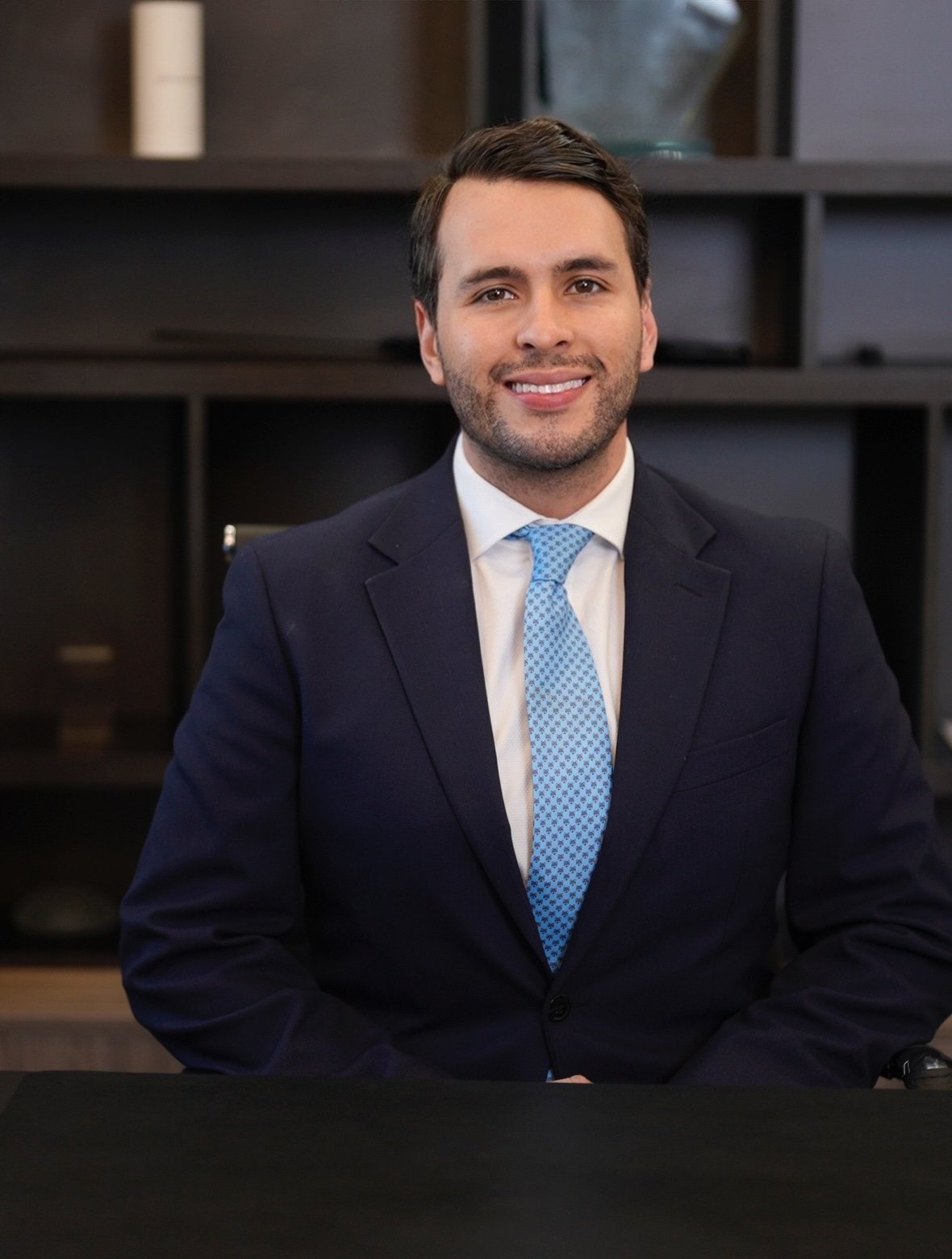
Dr. Daniel Ramos Hernández is board-certified by the Colombian Society of Plastic Surgery (SCCP) and specialized in Plastic, Reconstructive and Aesthetic Surgery at Universidad El Bosque. His research career began precisely with the face: on a grant from Colombia's Ministry of Science he studied cleft lip and palate alongside the Operación Sonrisa (Operation Smile) Foundation, authored the book Conociendo la fisura labiopalatina, and published a study of more than two thousand patients in The Cleft Palate-Craniofacial Journal. The nose sits at the centre of that anatomy. For him rhinoplasty is not an isolated aesthetic procedure but the continuation of a reconstructive training in which form and function were never separated.
Colombian Society of Plastic Surgery
The Cleft Palate-Craniofacial Journal
Operación Sonrisa Foundation · Minciencias
What we don't do in a rhinoplasty
- We don't copy someone else's nose. A nose that looks right on another face can look borrowed on yours. Reference photos help us understand your taste, not a template to trace.
- We don't over-resect. Scooped dorsums and pinched tips come from removing too much, and they get worse with age. Preserving and repositioning structure ages far better.
- We don't trade breathing for appearance. Narrowing a nose without internal support can obstruct it. Preventing that is part of the plan, not an afterthought.
- We don't operate on impossible expectations. If what you want cannot be achieved safely — or if your case does not need surgery at all — Dr. Ramos will tell you at the assessment.
Rhinoplasty recovery and what to expect
Typical ranges — your personalized surgical plan defines the exact details for your case.
How much does rhinoplasty cost in Colombia?
It is the most searched question and the one most often answered badly. There is no honest single figure before an examination, and any clinic that gives you a closed price over the phone is quoting a nose nobody has looked at. What we can tell you precisely is what it depends on.
For international patients, Bogotá offers board-certified surgeons and accredited facilities at a considerably more accessible investment than the US or Europe. The assessment — in person or virtual — is the only point from which a responsible figure can be given.
Request my personalized quoteFlying to Bogotá, step by step
- Virtual consultation from home. Video assessment with Dr. Ramos in English or Spanish, with preliminary facial analysis and quote.
- 10–14 days in Bogotá. Assessment, pre-op tests, surgery, splint removal and a check-up before you fly.
- Full support during your stay. Guidance on recovery lodging and logistics — you focus on healing.
- Follow-up through the whole first year. Virtual check-ins with Dr. Ramos — in rhinoplasty, long follow-up is not optional.
Rhinoplasty before & after, real results
Real rhinoplasty and facial surgery cases, documented by Dr. Daniel Ramos on Instagram.
See results on Instagram @danielramos.mdEverything about rhinoplasty in Colombia
There is no honest single figure before an examination. The cost depends on the technique used, on whether the septum is corrected at the same time, on whether it is a primary rhinoplasty or a revision of a previous surgery — always more complex — and on the length of the procedure. Dr. Ramos gives a personalized, all-inclusive quote after your assessment: surgeon's fee, accredited surgical facility, anesthesiology, splint and follow-ups. International patients consistently find Colombia significantly more accessible than the US or Europe, with board-certified surgeons and accredited facilities.
Conventional rhinoplasty reshapes the nasal bone with a chisel and mallet — a maneuver performed largely without direct vision that transmits force to the surrounding tissue. Ultrasonic rhinoplasty uses a piezoelectric instrument that cuts and sculpts bone without damaging the soft tissue around it, under direct vision. In practice this usually means more precise shaping of the dorsum and, frequently, less bruising and swelling in the first weeks. Not every case requires it: Dr. Ramos selects the technique to fit your anatomy, not the other way round.
In closed rhinoplasty every incision is inside the nose and no scar is visible. The open approach adds a very small incision on the columella — the strip of skin between the nostrils — allowing the skin to be lifted and the structures worked on under direct vision. That scar usually becomes practically imperceptible. The choice is not a matter of preference but of what your nose requires: complex tips and revision cases almost always need the open approach.
Plan for 10 to 14 days. The sequence is: in-person assessment and pre-operative testing, surgery, splint removal around day seven, a check-up, and only then flight clearance. Rhinoplasty needs a shorter stay than a tummy tuck, but a longer follow-up: check-ins continue virtually through the first year, because the nose keeps refining long after you are home.
The definitive result takes 12 to 18 months, and that is the honest answer even though it is not the one people want. Most of the swelling settles in the first three months; after that the change is subtle and progressive, particularly in the tip, which is the last area to define. Judging a rhinoplasty at six weeks means judging a nose that does not exist yet.
Yes. When there is a deviated septum or nasal valve obstruction, the functional correction is performed in the same operative time — that is what septorhinoplasty means. Aesthetics and function do not compete: in fact, a rhinoplasty that narrows the nose without supporting the internal structures can make breathing worse, and preventing that is part of the planning.
Yes, and the planning principle is the same as in any other case: the goal is a nose that looks proportionate on your face, not one that erases your features. Noses with thicker skin, weaker cartilage support or a lower dorsum call for a structural approach — grafting and repositioning support rather than simply reducing — because reduction alone in that anatomy tends to produce a shapeless result over time.
It is as safe as the surgeon and the facility you choose, and all four things that matter are verifiable: board certification by the Colombian Society of Plastic Surgery (SCCP), an accredited surgical center, certified anesthesiology and continuous monitoring. Dr. Ramos meets all four. Ask any surgeon you are considering — in any country — to show you the same four, and be wary of anyone who quotes a closed price before examining you.
Let's design your profile
Tell us your goals and we'll reply with an honest, personalized plan. Consultations in Bogotá and virtual, in Spanish and English.